Mile builder from the Balearics to the Atlantic island of Madeira. From Palma, we sail to Alicante, continue to the Spanish enclave of Melilla, transit the Strait of Gibraltar, and then head into the Atlantic for the ocean passage to Madeira. On that final stretch we put the GPS away and find our way by sextant. The ocean passage is an RYA Yachtmaster Ocean qualifying passage.
Highlights
Dates
- Start: 24 October 2026 (Saturday, 13:00) at Palma de Mallorca, Muelle de la Lonja Marina, Spain.
- Finish: 7 November 2026 (Saturday, 09:00) at Quinta do Lorde Marina, Madeira, Portugal.
The start and end dates are fixed.
Contribution
The whole trip (15 days) per person:
- 1580 Euro for a bunk. The deposit (50% of the balance) is to be paid within one week of booking, and the remaining balance is due 35 days before the start date.
- 250 Euro (15 Euro / day) for consumables. For all food consumed onboard, harbour fees and diesel. This is a realistic estimation. Any remainder will be refunded at the end of the trip.
The trip is non-commercial and runs in a friends-sailing manner. The contribution per person is fixed no matter how many people have booked the trip. The trip will run regardless of the number of participants.
What is included:
- Professional skipper and instructor
- Fully equipped boat for offshore sailing
- Up to date digital and paper charts covering the whole sailing area (passage and harbour charts)
- Sextant, nautical almanac and sight-reduction tables for celestial navigation
- Pillows, bedlinen and towels for each crew member
- Gas
- Pneumatic life jackets
- Own bunk
- Professional weather forecasting and routing software
What is not included:
- Optional expenses like rental vehicles or food & beverages consumed ashore
- Travel to and from the boat
- Personal travel insurance - you can find some recommendations in the FAQ
- Personal laundry (some ports have facilities to do laundry if you need it)
How much to bring in addition?
Generally, you won’t need anything in addition, but this will depend on how much you want to eat in restaurants and spend on other things like souvenirs and tourist attractions. Some people prefer to eat only on the boat and don’t spend anything on restaurants and some prefer to eat outside whenever we are on land. This is very individual. On the long ocean passage there won’t be any occasion to spend, so most of the shore spending will happen in the Mediterranean ports at the start.
Who can join
It is recommended to have at least 1 week of sailing experience to join the trip. The passage from Gibraltar to Madeira is a genuine ocean leg with several days out of sight of land.
You don’t need to be working towards a qualification to come along. While the Melilla-to-Madeira passage can be used as an RYA Yachtmaster Ocean qualifying passage, that is entirely optional — many crew join simply for the adventure, the bluewater miles, and the experience of ocean sailing and celestial navigation.
You will become an active member of the crew. You will not be just a passenger or a guest. During the voyage you will assist with helming, sail trimming, cooking and all the normal duties of a crew member whilst having the opportunity to learn about weather, routing, navigation, boat handling and much more according to your interests and experience. Above all, it should be fun and recreational for everyone.
In the course of the trip we will maintain a watch system and we will sail during the night. Therefore, there is no fixed lights-off time and your sleeping rhythm will likely be different than at home.
Our main language on board is English. If English is not your native language, and you don’t know the English sailing terms, don’t worry. You will learn the necessary vocabulary in no time while on board.
Not sure if it’s for you? It is completely normal to feel a little nervous before a trip like this — you would be surprised how many confident-looking people arrive feeling the same. For most, those worries quickly fall away once they step aboard. If you are unsure whether this trip is the right fit, or you have any worries at all, just get in touch. We will have a relaxed chat before you commit, go through the trip together, and work out whether it suits you and what you would most like to get out of it. You can also have a look at our FAQ.
Travel logistics
You can find the best flight connections using the following websites:
How to get to Palma de Mallorca
Palma de Mallorca Airport (PMI) is very well connected across Europe, with frequent low-cost and scheduled flights. From the airport the marina is a short taxi or bus ride away.
How to travel from Madeira
We finish at Quinta do Lorde Marina on the eastern tip of Madeira, which is conveniently located close to Madeira Airport (FNC). Madeira has direct flights to Lisbon, Porto and other European cities.
Let us know, we can help you find the best connections!
Skipper
Marcin Wojtyczka: RYA Yachtmaster Ocean commercially endorsed, RYA Yachtmaster Cruising Instructor, MCA Master 200 GT Unlimited (Code Vessels less than 200GT / OOW Yachts less than 500GT)
What should you pack
You can download a complete checklist here.
This is a warm-climate trip, but the nights offshore and the early hours on watch can be cool. The most important items are:
- head torch (preferably with white and red lights) for night sailing
- boat shoes with a good grip that don’t leave marks on the deck
- light waterproof / foul weather gear
- sun protection: hat, sunglasses, high-factor sunscreen
- light layers plus a warm mid-layer for the night watches
- passport
- insurance policy
- payment/credit cards
- phone with charger
- toiletries
Note that there will be bedlinen (pillows, blankets/duvet) and towels on board. For additional comfort, bringing a sleeping bag is recommended.
The trip will be focused on mile-building, ocean sailing and navigation training. In total, we should log up to 1200 nautical miles and 220h, mixing coastal pilotage with a substantial ocean passage into the Atlantic.
Anticipated route:
Palma de Mallorca - Cala de Portinatx, Ibiza (62 NM) - Alicante (120 NM) - Melilla (230 NM) - Strait of Gibraltar - Madeira (760 NM)
We will try to follow the planned route, but the final itinerary will be decided in association with you and the crew, in light of the weather, boat and crew conditions at the time. Therefore, the number of ports we visit, and the amount of nautical miles or hours sailed may differ from what is stated in the description. However, the start and destination ports should remain the same.
We will be maintaining a watch system to ensure everyone is well rested, meals are prepared on time and maintenance is undertaken when necessary. There will be 3 watches with up to 2 people in each watch.
Elan 434 Impression (2005)
The Elan Impression 434 is a Rob Humphreys design built by Elan Marine in Slovenia — the first of Elan's Impression deck-saloon cruisers. She combines genuinely lively sailing performance with a spacious, comfortable interior, which makes her an excellent boat for a long passage. She is well equipped and prepared for offshore sailing.
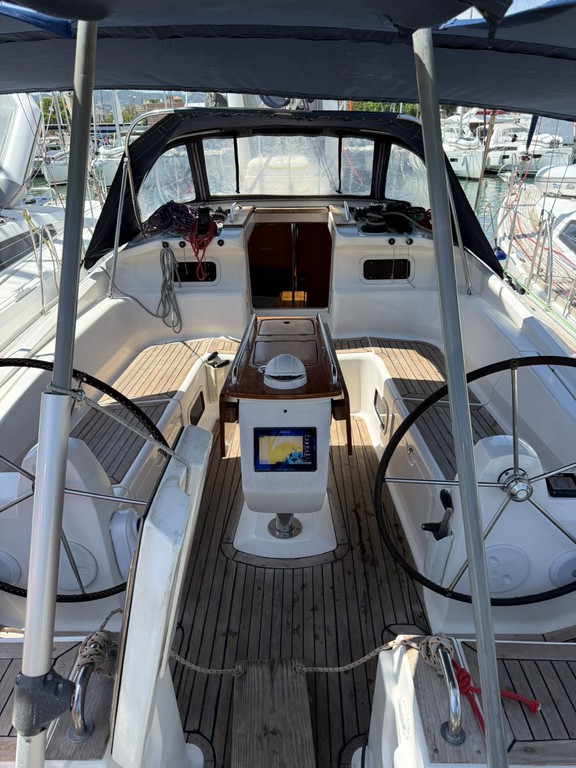
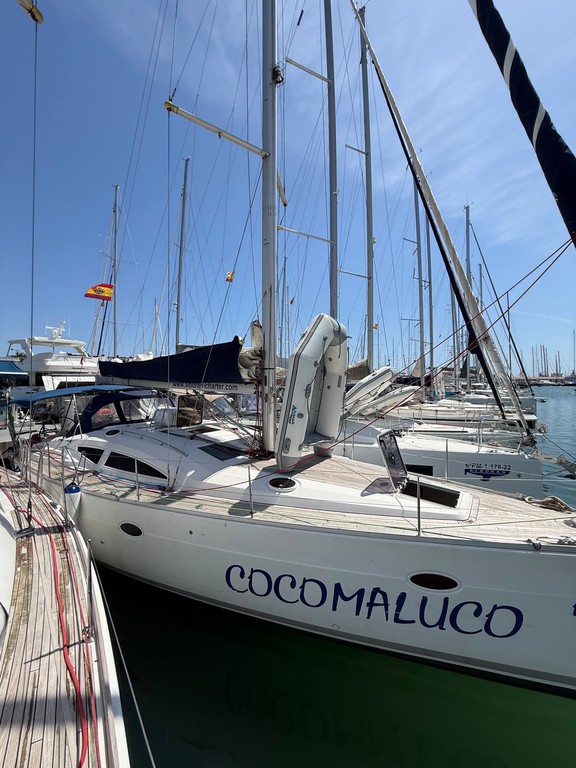
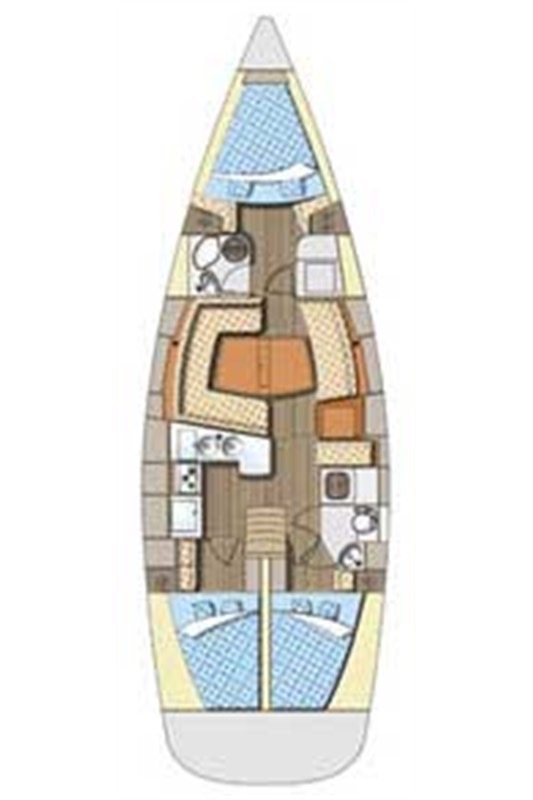
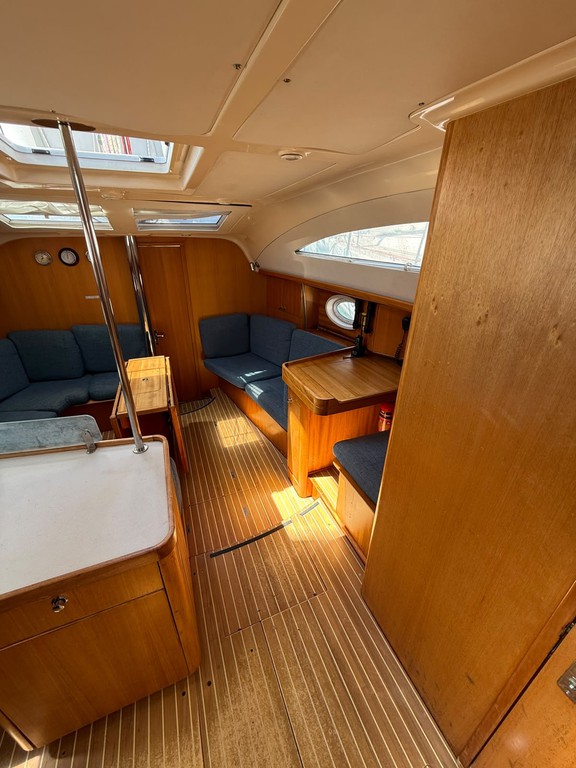
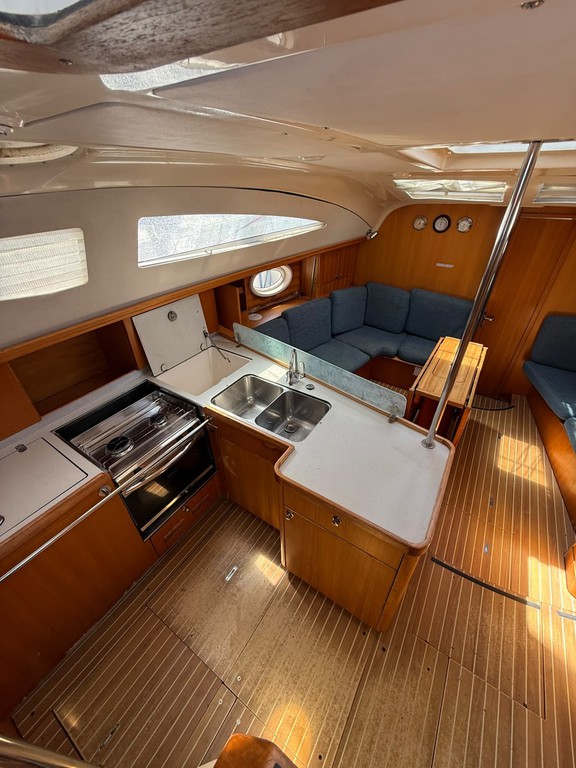
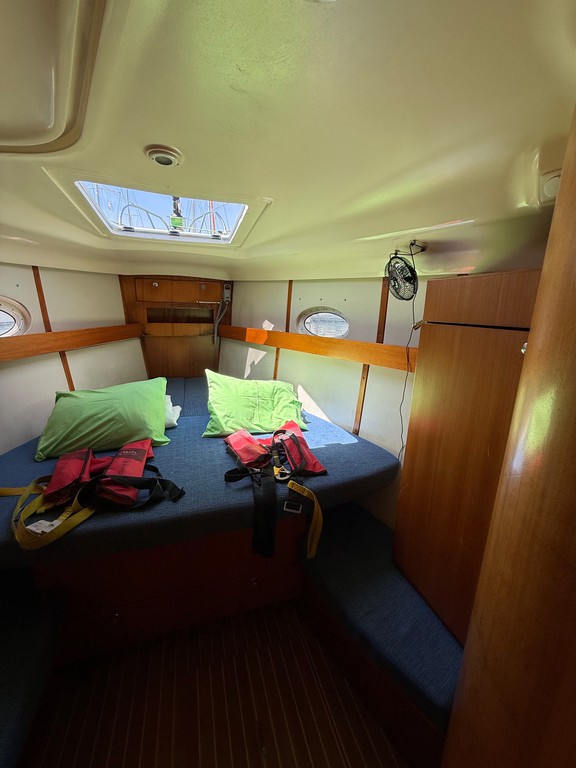
We will inspect the boat thoroughly before the voyage to ensure that every bit of equipment is absolutely ship-shaped.
General info:
- Year: 2005
- Type: sailing monohull
- Length (LOA): 13.41 m (44 ft)
- Waterline length (LWL): 11.45 m
- Hull speed: ~8.2 kt
- Beam: 4.18 m
- Draught: 1.7 m
- Displacement: 10.9 t
- Engine: Volvo Penta D2-55 (55 hp)
- Fuel capacity: 270 L
- Water capacity: 516 L
- Sails: Mainsail 46.5 m² (fully battened), Furling genoa 52.4.0 m², Assymetric Spinnaker 135 m², Storm Jib (9 m²)
- Cabins: 3
- Berths (Bunks): 6+2
- WC / Shower: 2
Equipment:
- Autopilot
- Chart plotter with GPS
- DSC VHF radio
- Handheld VHF radio
- AIS
- EPIRB
- Radar reflector
- Sprayhood / bimini
- Refrigerator
- Stove
- 12V and USB sockets
- Life raft
- PredictWind Offshore license
- Complete set of pilot books, almanacs and charts
- Pillows, bedlinen and towels for each crew member
- Plastimo drogue
Average weather conditions:
Air and Sea temperature
Late October in the Western Mediterranean is still mild and pleasant, with daytime highs around 24° C in Palma falling to about 17° C at night, and a sea temperature still warm enough for swimming at the start of the trip. As we move out into the Atlantic towards Madeira the climate stays gentle: November in Funchal averages around 21° C by day and 17° C at night, with a sea temperature of roughly 22° C.
Wind and sea state
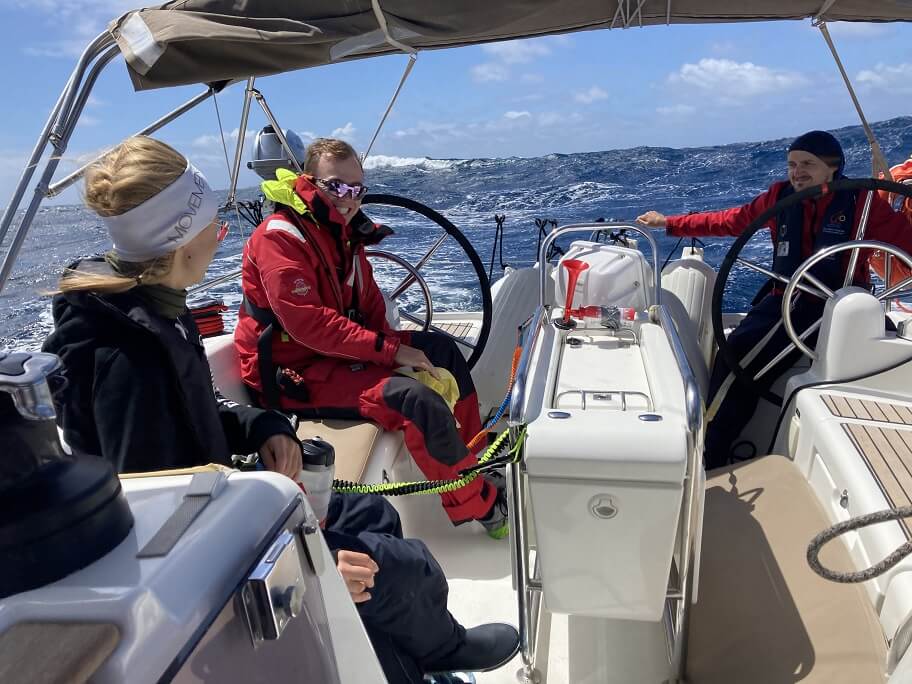
The Mediterranean part of the trip offers a mix of coastal and offshore sailing, with land and sea breezes and the occasional autumn frontal system. The Strait of Gibraltar is a place to respect: it funnels the wind into an easterly or westerly that can blow hard, and the tidal stream runs strongly through the narrows — an excellent, real-world pilotage and passage-planning exercise. Beyond the Strait, the ocean passage to Madeira is exposed to the Atlantic, where a moderate swell is normal and we should be able to carry the northerly Portuguese trades on a good angle for much of the way.
The route is divided into several offshore passages with lots of night sailing, culminating in a genuine ocean leg. You will receive a certificate of passage to prove your sea time for sailing licenses. You will be an active member of the crew, and we will provide practical training on board to ensure safety and improve your sailing skills.
We give a great amount of responsibility to each crew member in running the ship so that you can gain valuable experience and learn new skills as much or as little as you want. The skipper is an instructor and will find it difficult not to teach or coach anyone who shows the slightest bit of interest.
RYA qualifying passages
If you are an aspiring Skipper or Yachtmaster, this is an excellent opportunity to gain bluewater miles and practise navigation, pilotage and ColReg skills so that you can be more confident and comfortable when taking a boat out to sea on your own. During the voyage, we can evaluate your current knowledge and provide suggestions for improvement.
Crucially, the passage from Melilla to Madeira through the Strait of Gibraltar can serve as your RYA Yachtmaster Ocean qualifying passage: a non-stop ocean passage of more than 600 miles, on which you can take and plot your celestial sights. The shorter Mediterranean hops are equally suited to logging RYA Yachtmaster Coastal and RYA Yachtmaster Offshore qualifying miles.
Main topics that you can learn or brush up:
- Maneuvering under sails & engine: berthing, hoisting and lowering sails, reefing, tacking, gybing, sail trim
- Safety: use of liferaft, lifejacket, EPIRB, PLB, AIS beacons, managing emergencies
- Equipment: use of Autopilot and VHF
- Weather forecasting and weather routing
- Offshore & coastal navigation: digital and traditional
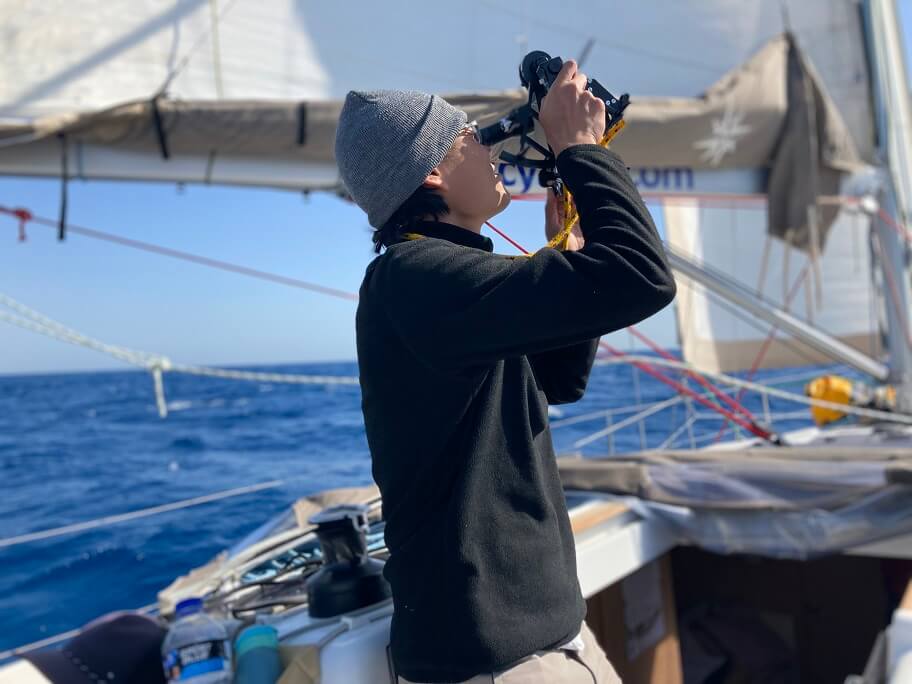
- Celestial navigation with a sextant (the heart of this trip)
- Night navigation
- Pilotage and passage planning
- ColRegs
- Life on board: organization of watches, nutrition, sleep and risk management
Celestial navigation — finding your way by the sky
Once we leave the Strait of Gibraltar astern and the last sight of land disappears below the horizon, we’ll put the GPS aside and navigate the ocean as sailors have done for centuries — using the sun, planets, and stars.
You’ll learn how to bring the sun down to the horizon with a sextant, take sights of stars and planets, and reduce those observations into a position fix on the chart. Few skills connect you so directly to the sea, the night sky, and the long tradition of ocean navigation.
We will try to follow the anticipated route, but at sea, we need to remain flexible as we cannot plan and anticipate everything. Therefore, your expectation might differ from what you experience, subject to weather, boat and crew conditions, and what the majority of the crew wants.
Joining day - Palma de Mallorca (24 October)
We will spend the first day preparing and victualling the yacht, going over the safety routines and practices, getting up to speed with the boat and learning or refreshing all the basic sailing skills before we embark on the journey. Once we slip the lines there will be plenty of occasions to practice tacking, gybing, reefing, boat handling under the engine and all the other key skills we must have.
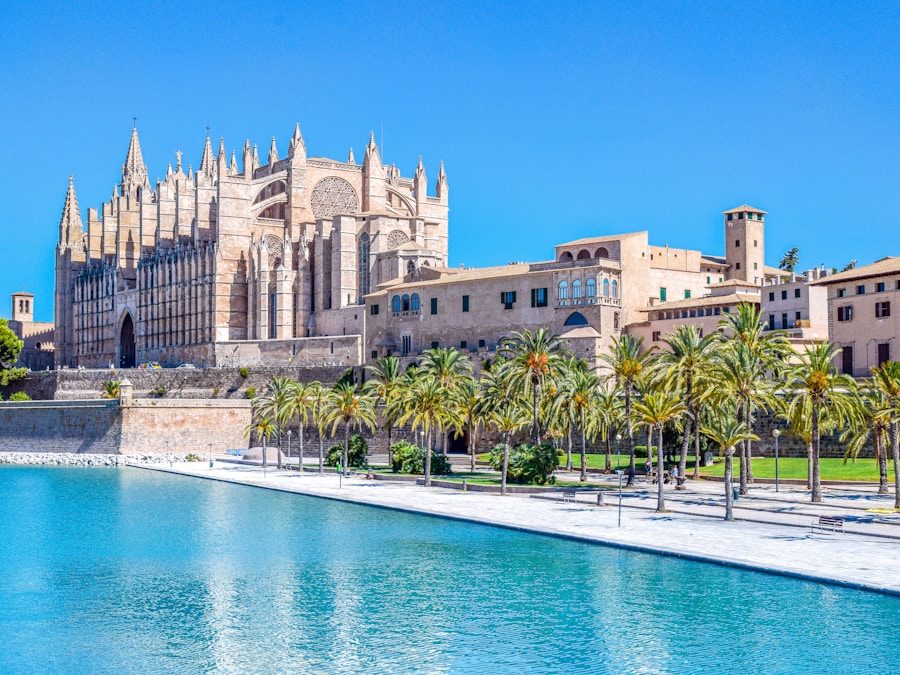
Palma de Mallorca cathedral
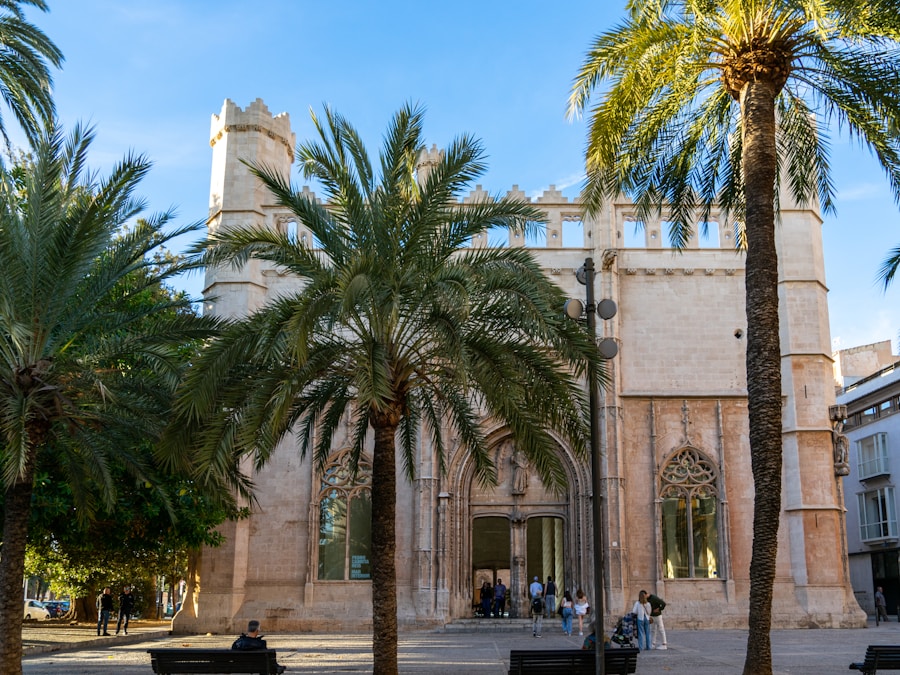
Palma old town
Palma is the capital of the Balearic Islands. Its magnificent cathedral, La Seu, dominates the waterfront, while the old town behind it is a maze of narrow streets, shaded courtyards, and honey-coloured stone buildings filled with cafés, tapas bars, and small boutiques. It is one of the Mediterranean's finest sailing cities.
Cala de Portinatx, Ibiza (62 NM)
Our first passage takes us across the Balearic Sea to Cala de Portinatx, a cluster of sheltered turquoise coves at the northern tip of Ibiza. Backed by pine-clad hills, it is a quiet, scenic first anchorage — a gentle introduction to the trip and a good chance to settle into life on board.
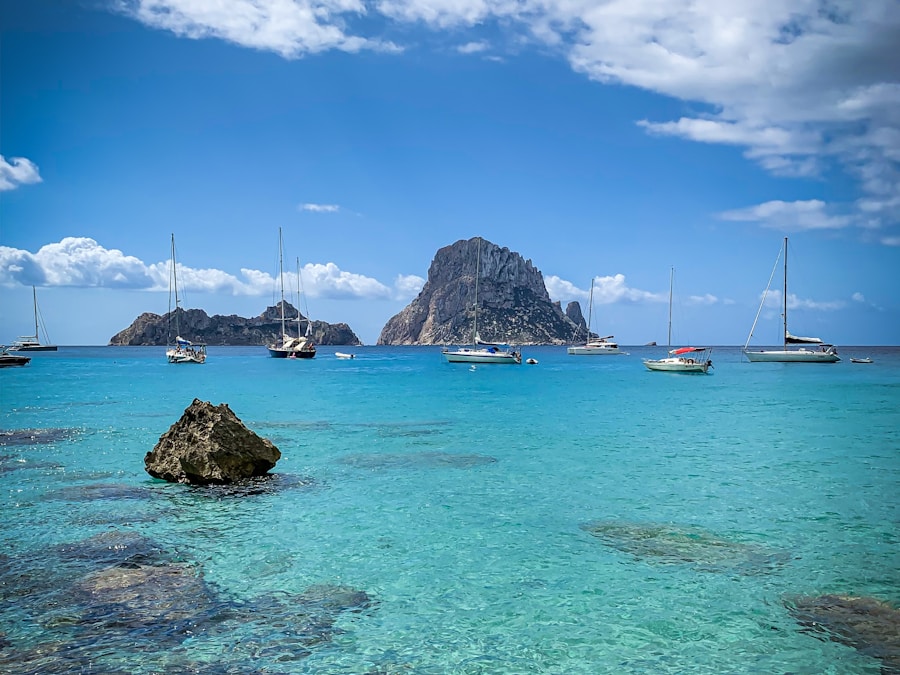
One of Ibiza's anchorages
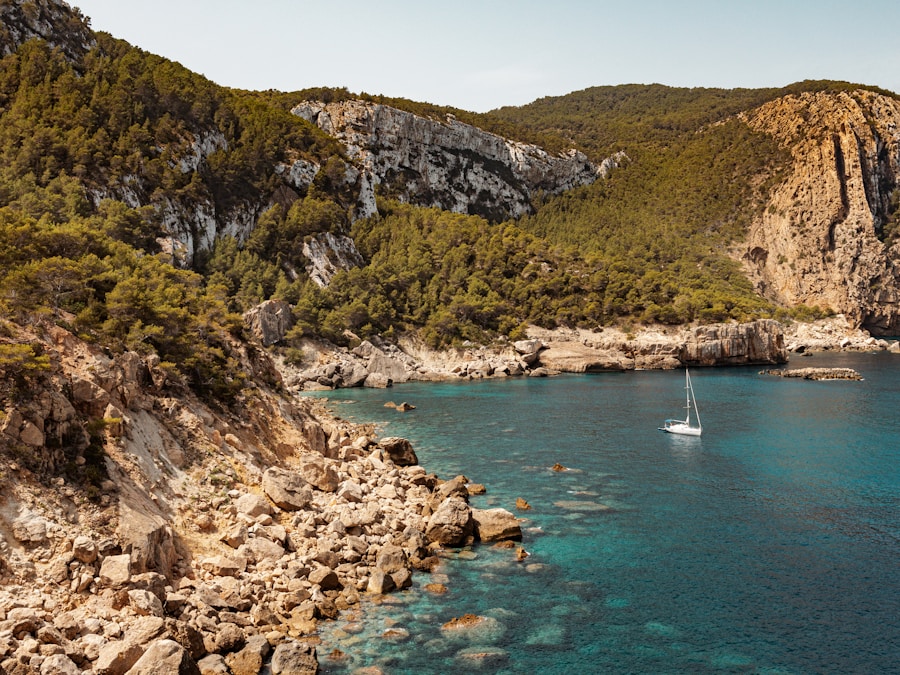
Ibiza's turquoise coves
Alicante (120 NM)
From the Balearics we cross to the Spanish mainland and the lively port city of Alicante. Overlooked by the Santa Bárbara castle on its rocky crag, Alicante has a palm-lined seafront promenade, a characterful old quarter and an excellent marina.
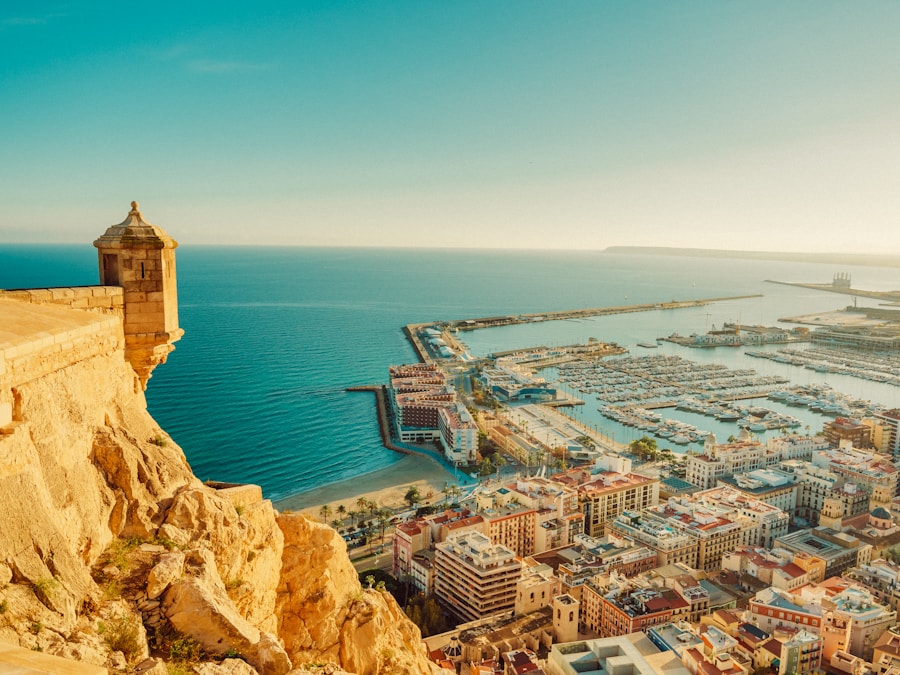
Alicante from Santa Bárbara castle
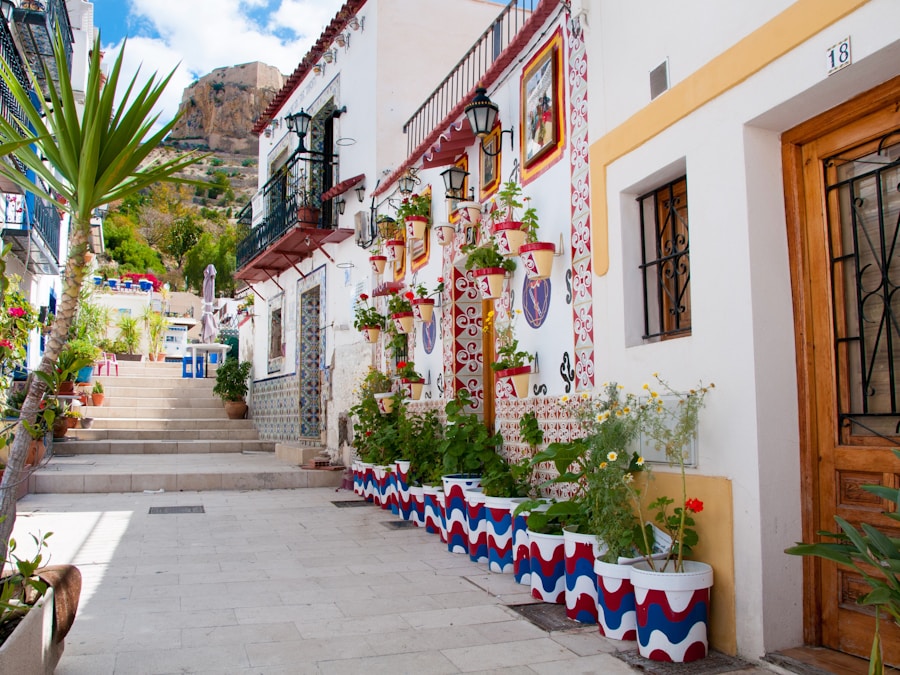
Alicante's old town
Melilla (230 NM)
A longer passage down the coast brings us to Melilla, a Spanish enclave on the North African coast that few sailors ever visit. It is a fascinating and unexpected destination, home to Spain's second-largest collection of Art Nouveau architecture after Barcelona, much of it designed by a follower of Gaudi. Overlooking the Mediterranean, the historic walled citadel of Melilla la Vieja adds another layer of history to this unique crossroads of Europe and Africa.
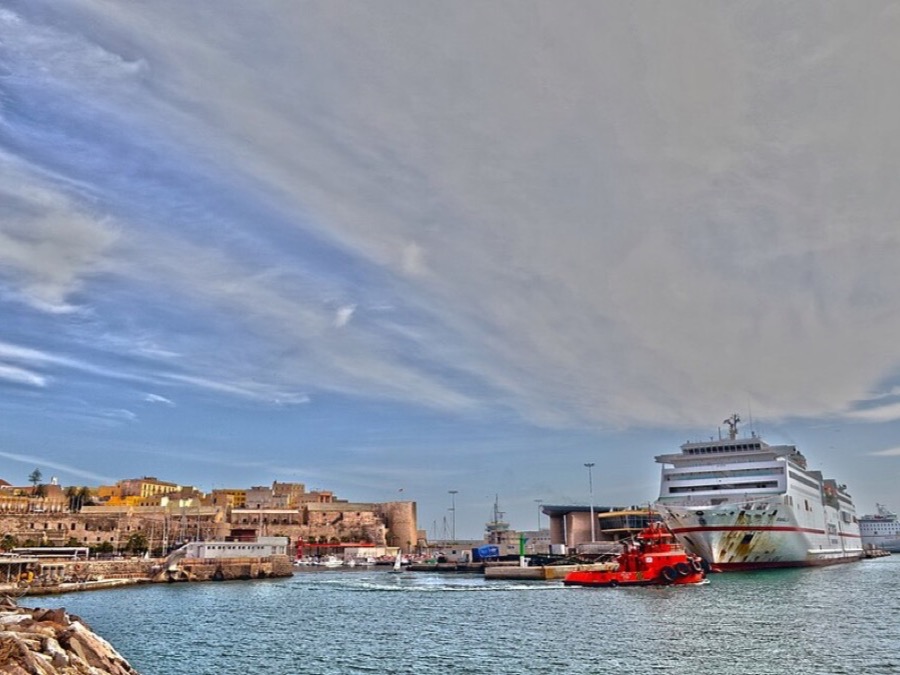
Melilla old town
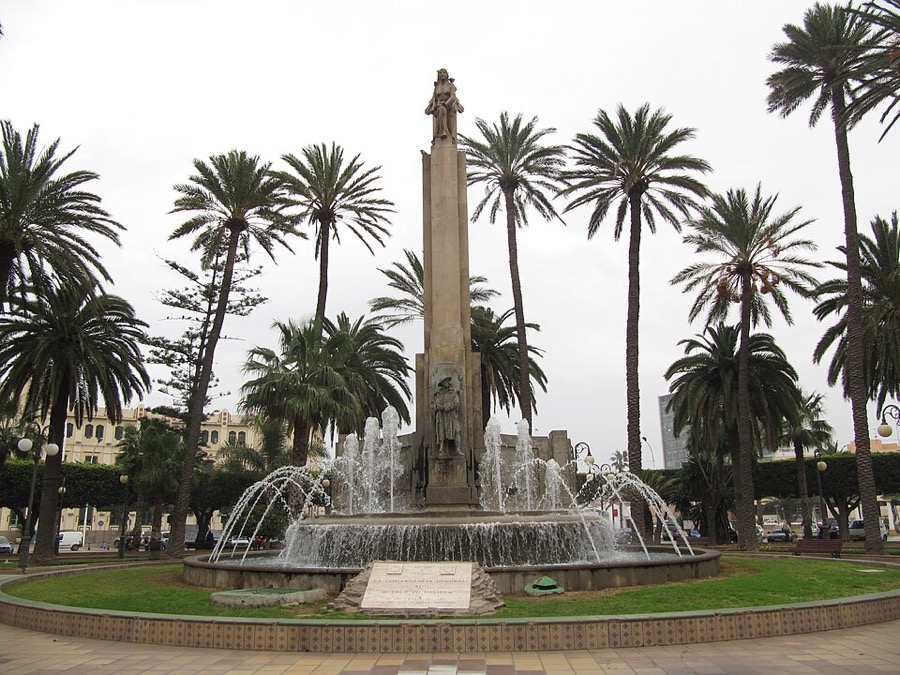
Fountain in Melilla
Strait of Gibraltar and the ocean passage to Madeira (760 NM)
From Melilla we sail west and transit the Strait of Gibraltar, one of the world's great maritime crossroads, where the Mediterranean meets the Atlantic between the Rock of Gibraltar and the mountains of Morocco. Timing the tidal gate and reading the funnelled wind here is a superb piece of real-world passage planning.
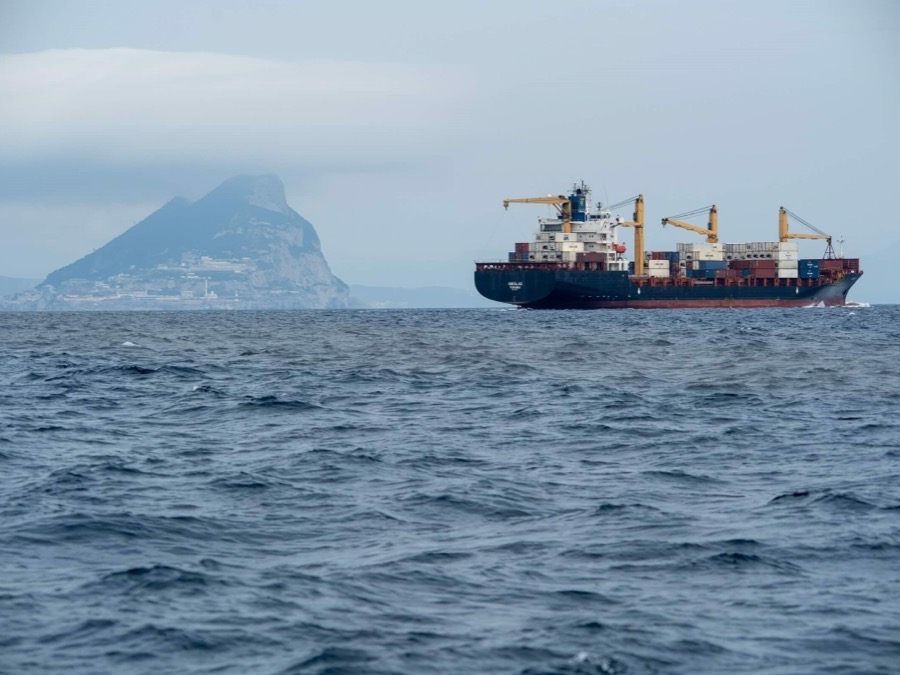
The Rock of Gibraltar
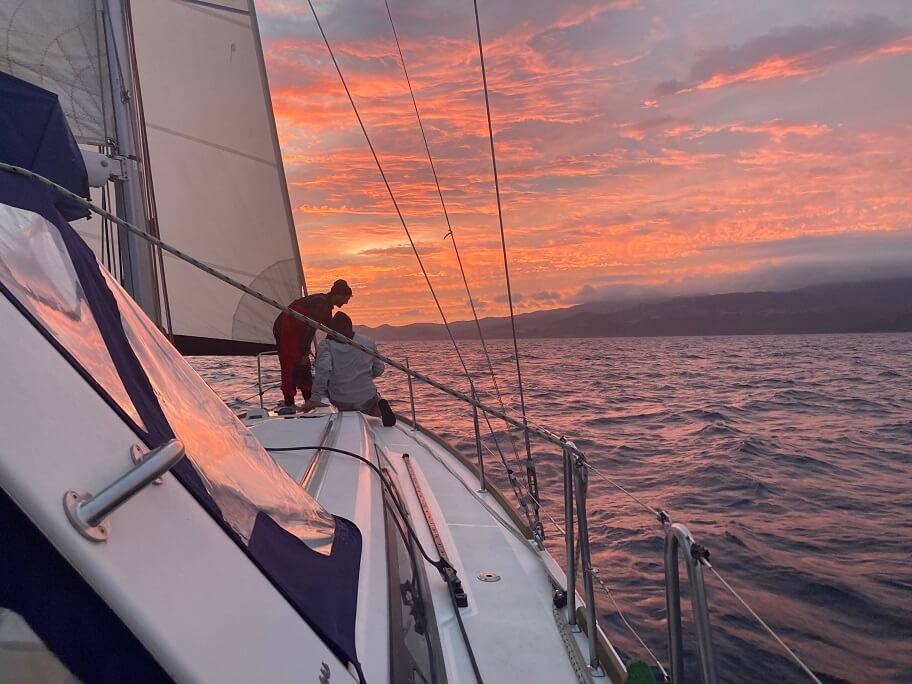
Out into the Atlantic
Once through the Strait and out into the open Atlantic, the land falls away and the real ocean passage begins. For the next several days and nights we settle into the rhythm of watches, offshore sailing and the sky — this is where we put the GPS away and navigate by sextant, working up our celestial sights day by day until Madeira rises out of the sea ahead of us.
Navigating by sextant
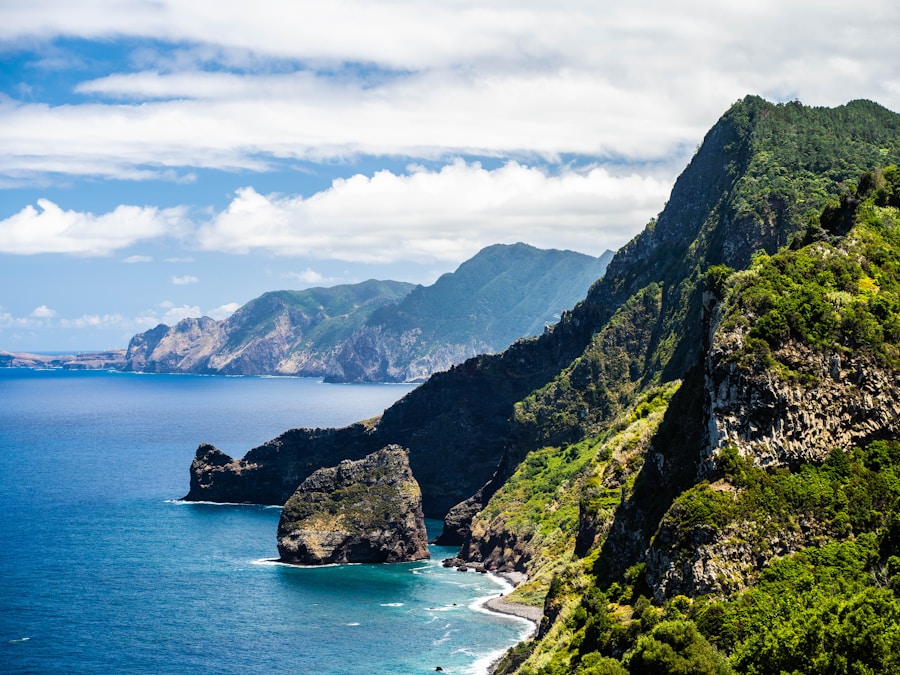
Landfall at Madeira
Madeira - Quinta do Lorde, Finishing day, 7 November
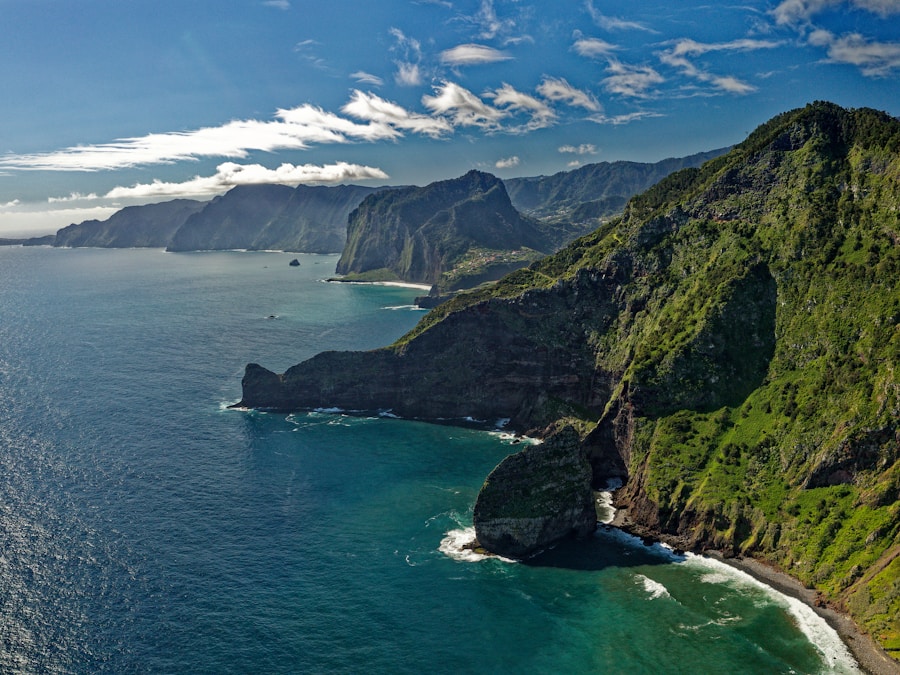
We make our landfall on Madeira, the lush "island of eternal spring" rising steeply out of the Atlantic. We finish at Quinta do Lorde Marina on the island's eastern tip, a purpose-built marina village conveniently close to the airport. We will celebrate the completion of our ocean passage before the beginning of the second leg, which will take us south towards the Canaries. You can continue your trip on the second leg.
Check out the FAQ section for common questions.
Still have questions? Please don’t hesitate to contact us. We’d love to hear from you.
- Related articles:
- Routes